How it works
From a robot to a validated policy.
Pick a robot, choose what it should learn and rent neurons. The platform calibrates, trains and validates in one closed loop, then hands you the policy. In the sandbox a run takes about 1–2 min.
- Your taskSkill or demonstrations
- EncoderCues → electrode pulses
- Living neuronsSimulated in this preview
- DecoderSpike rates → commands
- Your robotMoves in simulation
Feedback to the neurons: reward or noise
01 Robot
Pick a robot.
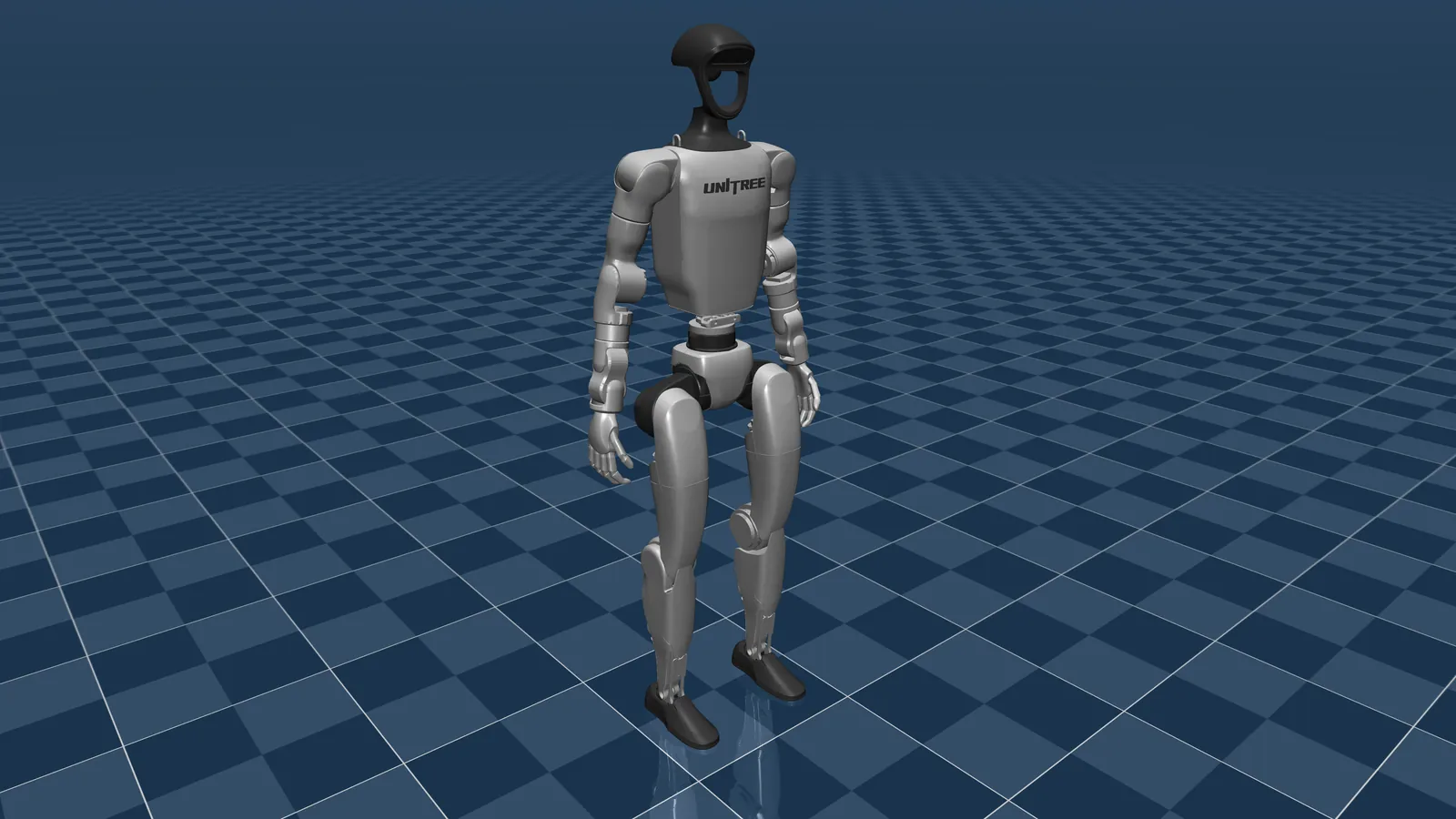
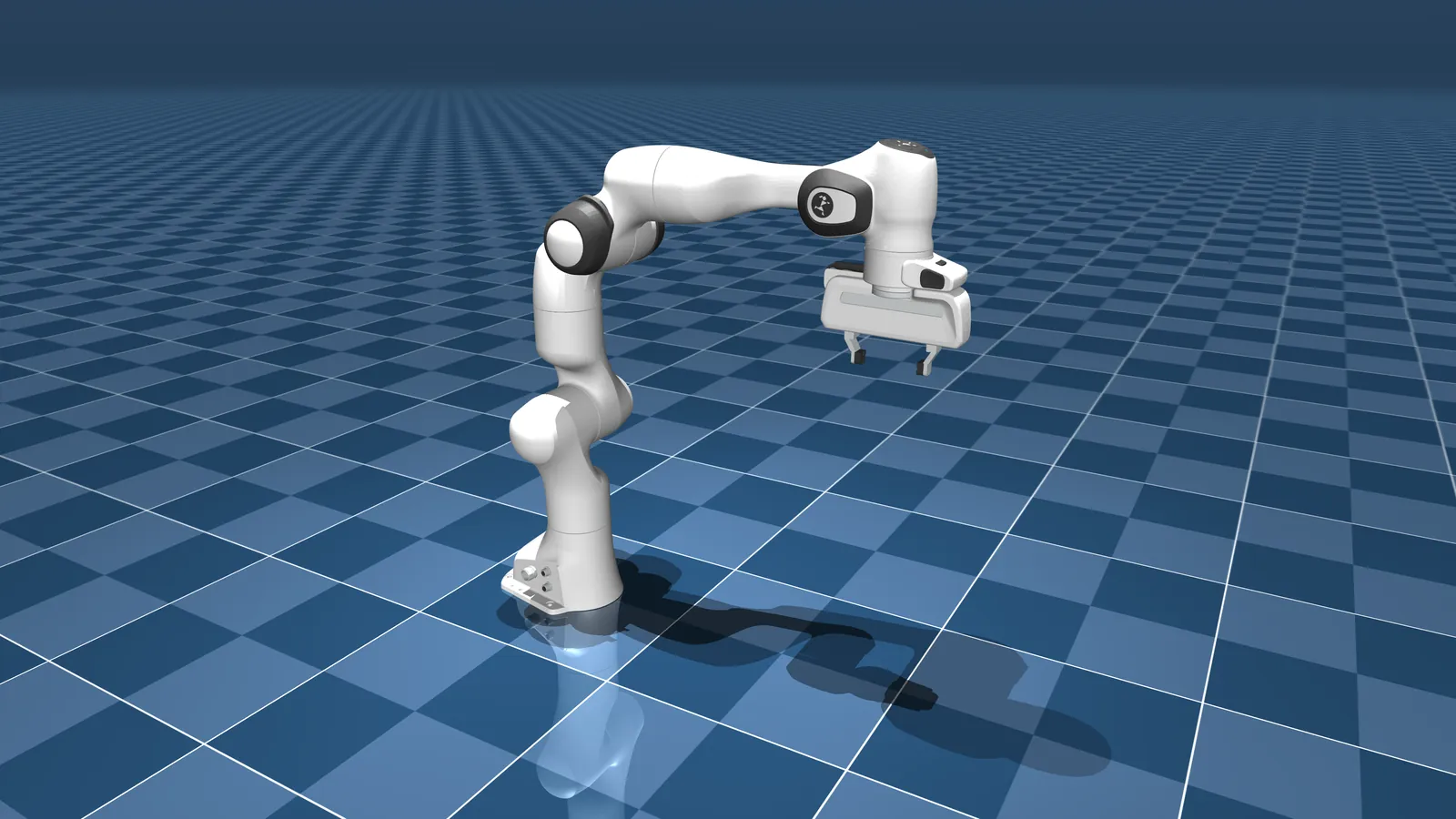
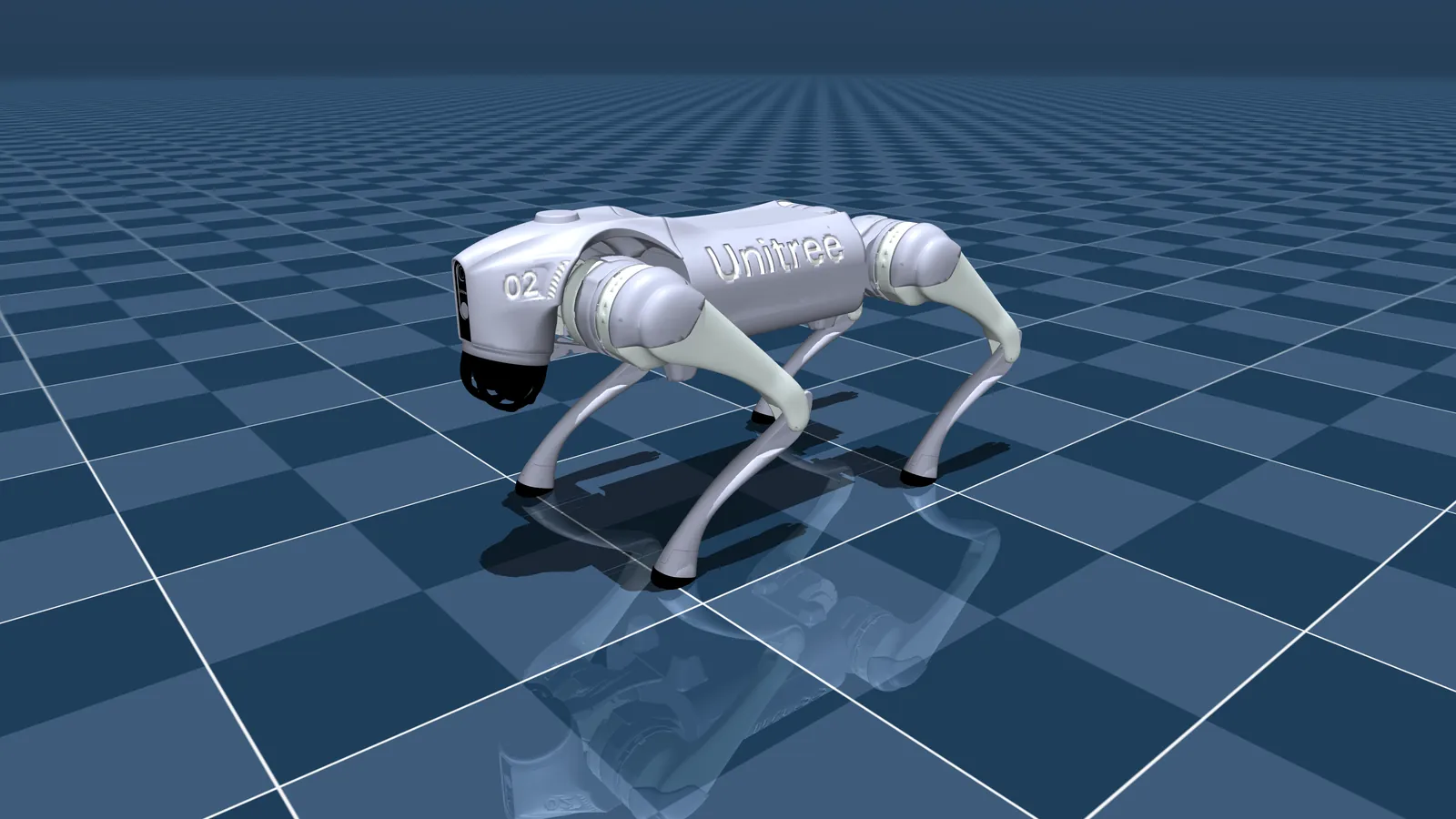
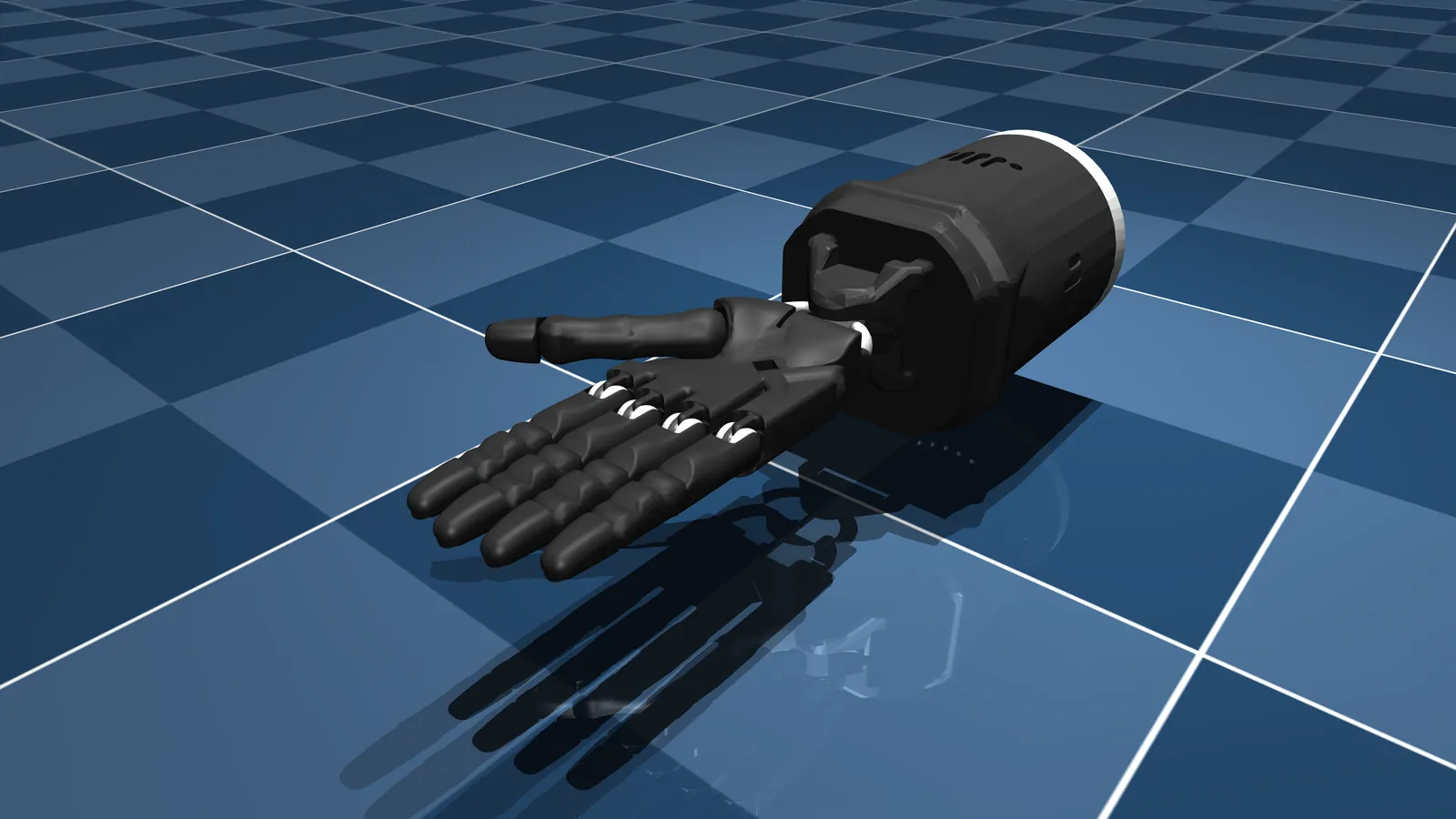
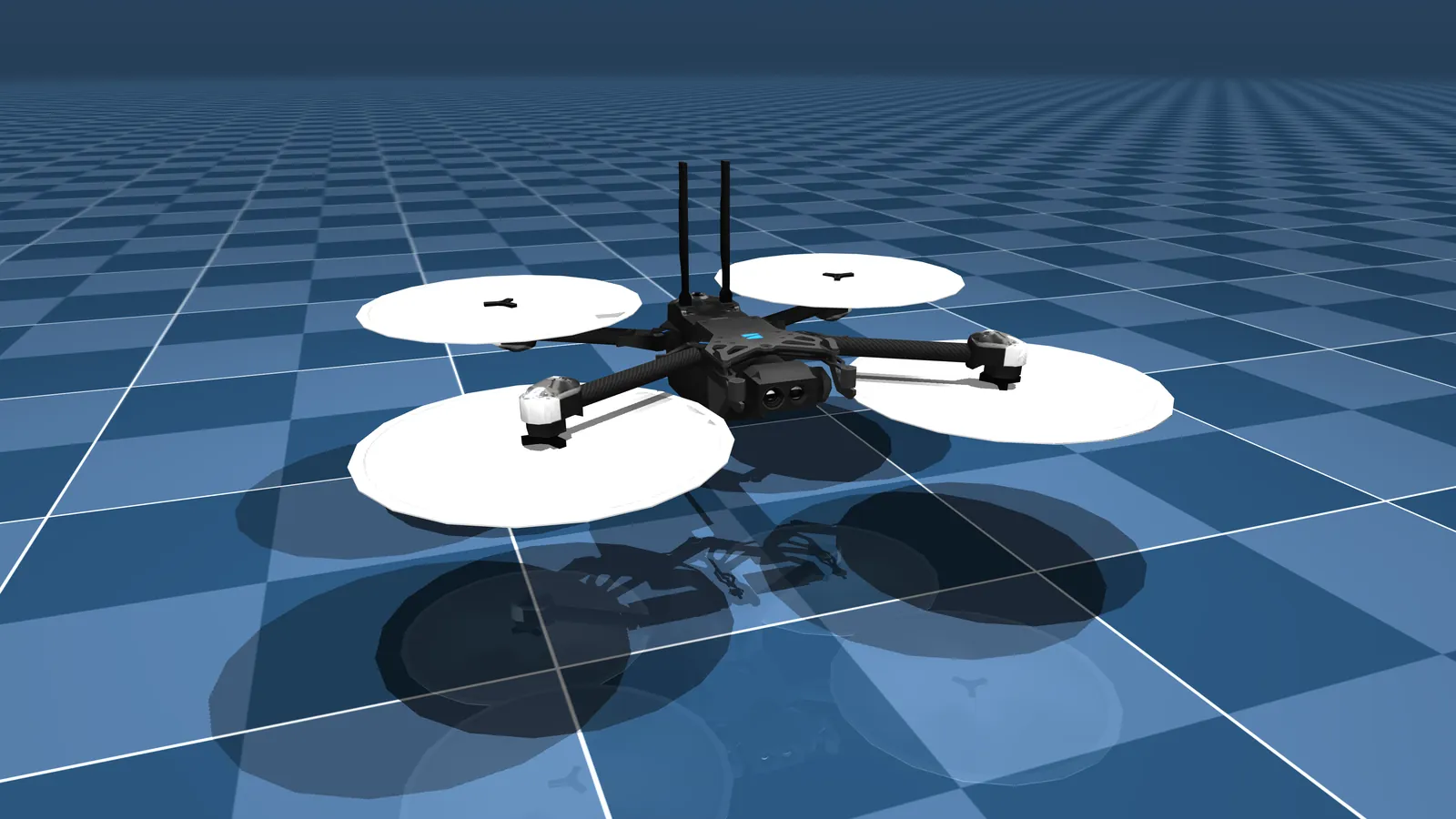
Five robots run in real MuJoCo physics on the server: the Unitree G1 humanoid, the Franka Panda robot arm, the Unitree Go2 quadruped, the Shadow Hand and the Skydio X2 drone. You see exactly what the neurons make them do.
02 Skill
Choose a skill, or upload demonstrations.
Start from one of 14 ready skills, or drop a CSV or JSON of joint positions: a time column plus one column per joint, named like the robot’s controls, with at least 20 frames.
Recorded by teleoperation, motion capture or a scripted controller, the demonstration is resampled to 50 Hz. Every pose the robot holds still for at least 0.25 s is found; the first becomes rest and up to five others become targets. Each target gets its own pathway, and the test cues them in turn.
03 Neurons
Rent living neurons.
A biocomputer is a culture of neurons on a multi-electrode array: 59 electrodes, 200 µm apart. The loop runs on it continuously: stimulate, record, feedback every 10 ms. In this preview the cultures you can train on are simulated; the real neurons are a recording you can watch.
04 Calibrate
Calibrate.
Before training, each of the 59 electrodes gets 6 single pulses, 60 ms apart, and the platform listens for 30 ms after each, ignoring network bursts. Each pathway is placed on the stimulation site whose nearby electrodes answer most reliably, at least 400 µm from the other pathways.
Its ON threshold sits 3.5 Poisson standard deviations above the read electrodes’ resting rate and never below 0.85 spikes per electrode per 100 ms, so the response itself has to grow during training.
05 Train
Train with feedback.
Each episode replays the skill’s test: its pathways are cued on schedule and the robot moves only if the neurons answer. The checks then score the episode.
After a success the culture gets predictable stimulation: 100 ms at 100 Hz on the pathways’ own electrodes. After a miss it gets 4 s of unpredictable pulses at 5 Hz on random electrodes, then a 4 s pause. The protocol follows DishBrain (Kagan et al., Neuron 2022).
- After a success
- Predictable: 100 ms at 100 Hz, same electrodes
- After a miss
- Unpredictable: 4 s at 5 Hz on random electrodes, then a 4 s pause
- Ready to validate
- At least 8 episodes, 4 of the last 5 successful and the last 3 all successful
- Budget
- 40 episodes per session
How the culture responds to feedback is simulated in this preview.
06 Validate
Validate against two negative controls.
Validation runs the test three times on the same spontaneous activity: with stimulation, with no stimulation, and with the neurons’ spikes blocked from the decoder. It passes only if the checks pass with stimulation and fail under both controls.
Passed normally and failed under both controls: the neurons caused the motion.Verdict: pass
Also passed without the neurons: the motion does not depend on them.Verdict: invalid
07 Policy
Download the policy.
One JSON file: skill, decoder wiring, learning record, validation.
- Format
- robooi.policy/v0
- Skill
- The skill file that was trained
- Decoder
- The calibrated wiring of each pathway: electrode pulsed, electrodes read, ON threshold
- Learning record
- Episodes, success over the last five, the feedback protocol
- Validation
- The verdict and the result of each condition
- Provenance
- Which neurons trained it: in this preview, a simulated culture
The science
The method behind the feedback.
DishBrain embedded cortical neurons on a multi-electrode array in a simulated game of Pong. A hit was followed by predictable stimulation and a miss by unpredictable stimulation, and the cultures improved their play within minutes. RoboOI applies the same feedback rule to robot skills.
Kagan, B. J. et al. (2022). In vitro neurons learn and exhibit sentience when embodied in a simulated game-world. Neuron 110(23), 3952–3969. doi.org/10.1016/j.neuron.2022.09.001
D. A. Wagenaar, J. Pine, and S. M. Potter (2006). An extremely rich repertoire of bursting patterns during the development of cortical cultures. BMC Neuroscience 7:11. doi.org/10.1186/1471-2202-7-11
Next step
Run it on your robot.
Pick a robot, a skill and a biocomputer. In the sandbox the whole loop takes about 1–2 min.